Buyer guides · Developer planning · 13 min
Remote workforce accommodation: plan a camp that can operate
A remote camp is an operating system, not a delivery count. Beds, sanitation, meals, utilities, maintenance and mobilisation must become ready together.
Published by AeroPodHomes · Updated 30 August 2026
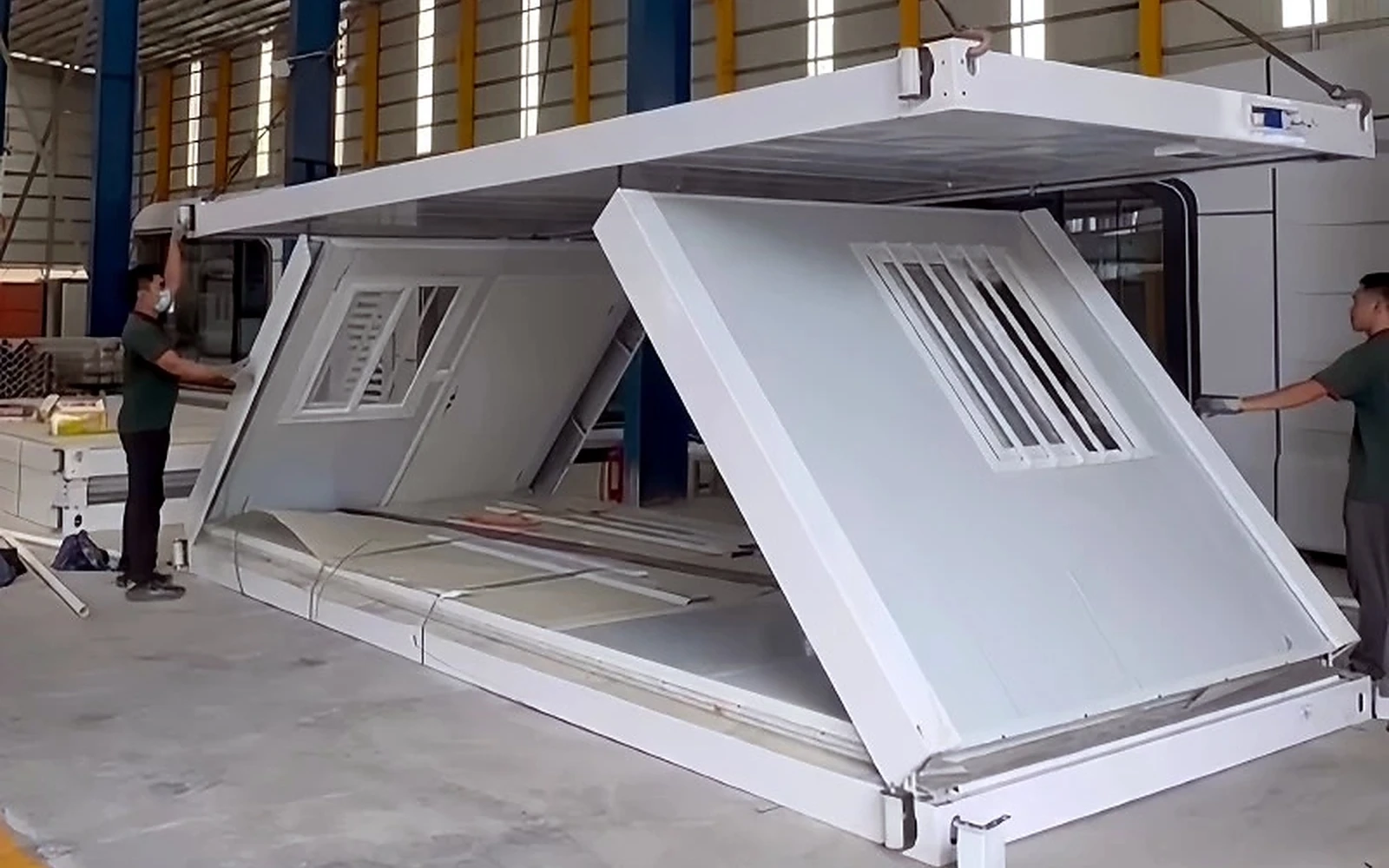
Convert the workforce forecast into commissioned beds
Start with peak and average headcount by date, shift pattern, room-sharing policy, gender and privacy requirements, supervisors, visitors, isolation capacity and accessible rooms. Add a vacancy allowance for cleaning, defects and roster overlap. The result is a phased bed schedule, not one final quantity.
Define ready as inspected, connected, furnished, supplied and safe to occupy. A room in a container or sitting on supports is not commissioned capacity. Reporting that distinction prevents the project from appearing complete while workers are still being bused from another location.
Build the non-bedroom schedule first
List toilets, showers, basins, hot water, kitchen, dining, laundry, drying, recreation, medical, administration, security, storage, maintenance and waste functions. Size them against occupancy and shift peaks, not a daily average. A camp can have enough beds and still fail because breakfast, showers or laundry all peak at the same time.
Decide which services are private and which are shared. Dry sleeping rooms reduce repeated plumbing but require well-placed amenity blocks. Self-contained units increase privacy and independence but multiply water, waste, hot-water and maintenance points.
Choose units by room role and shipment
The 14 m² folding room provides 14 m² and loads twelve ordinary units per 40HQ. AP-E20S provides 27.5 m² and loads six. AP-E20 provides 37 m² and loads two. 40FT expandable provides 74 m², loads one and includes a bathroom and kitchen in the standard reference. Use those facts to build a room-role schedule and a container schedule together.
Compact folding rooms can carry high bed counts with shared facilities. Larger expandable rooms can support supervisors, longer stays, medical, offices or accessible layouts subject to review. Self-contained units can serve isolated teams or welfare functions. One universal module rarely solves the whole camp well.
Treat utilities as production infrastructure
Calculate electrical demand, diversity, generation or supply, water source and treatment, storage, hot water, wastewater, drainage, communications, fire water where required and fuel storage. Show isolation zones and spare capacity for the next phase. Match the unit connection schedule to the civil and MEP release dates.
Remote sites amplify small interface errors. A mismatched voltage, service entry, drain level or connector can stop a row of rooms. Freeze destination standards and connection details before production, then verify representative interfaces in the factory and again during site commissioning.
Sequence logistics around usable phases
Create shipment waves that deliver complete operating slices: rooms, amenities, plant, spares and the installation materials needed to open them. Link every container to a packing list, unit identity, arrival window, offloading position and site release. Avoid sending all bedrooms first if the service buildings will arrive later.
The receiving plan needs port or border clearance, final haulage, route access, hardstanding, cranes or forklifts, weather limits, laydown and a damage-report process. A remote destination has fewer recovery options, so loose-item control and replacement planning deserve more attention than on an urban site.
Design operations and demobilisation before occupancy
Set cleaning, linen, waste, pest control, water testing, filter changes, HVAC service, room inspection, defect reporting, spare-parts custody and emergency response. Keep drawings, equipment schedules and unit records accessible to the camp operator, not only the construction team.
If the camp will move or close, define disconnection, contents removal, cleaning, closure or packing, lifting, transport, repair, storage and site restoration. The second move needs its own budget and condition assessment. Portability provides a route to reuse; it does not remove the work between sites.
Decision table
| Planning layer | Primary output | Failure it prevents |
|---|---|---|
| Workforce | Phased commissioned-bed schedule | Delivered rooms without usable capacity |
| Amenities | Peak-demand service schedule | Queues and sanitation shortfalls |
| Unit mix | Room-role and model schedule | One format forced into every function |
| Utilities | Load and connection register | Rows blocked by one interface |
| Logistics | Complete shipment waves | Bedrooms arriving before camp services |
| Operations | Maintenance and spares plan | Remote defects without recovery stock |
| Close-out | Demobilisation method and budget | Stranded assets and site obligations |
Common questions
What is remote workforce accommodation?
It is employer- or project-related housing and support facilities located near a remote worksite. The camp may combine sleeping rooms, amenities, offices, medical and service units.
How do I calculate the number of beds?
Use peak headcount by phase, shift overlap, room-sharing policy, accessible and isolation rooms, supervisors, visitors and a practical vacancy allowance. Count commissioned rather than delivered beds.
Which modular units suit a remote camp?
Folding units suit dense sleeping-room counts with shared amenities. Expandable units provide larger rooms and 40FT expandable provides a self-contained bathroom and kitchen reference.
Does temporary workforce housing avoid local approvals?
No. The applicable workplace, planning, building, fire, health, sanitation and utility requirements depend on jurisdiction and use. Temporary describes the programme, not a universal exemption.
What should ship in the first wave?
Send a complete usable phase: rooms, required amenities, plant, connection materials, operating supplies and critical spares matched to a released part of the site.
Technical references
External references support the process and standards context. Project-specific design and approval remain subject to the appointed destination professionals.